Recommended AI Tools
5We've analyzed the market. These tools offer specific features for automate inventory management.

Aieka
Aieka is an AI platform designed to enhance business operations and analytics, enabling organizations to focus on core activities.
- Automated inventory management
- Data-driven insights and analytics
- Neural network-based forecasting models
AI Analysis
Why use this AI Aieka for Automate Inventory Management?
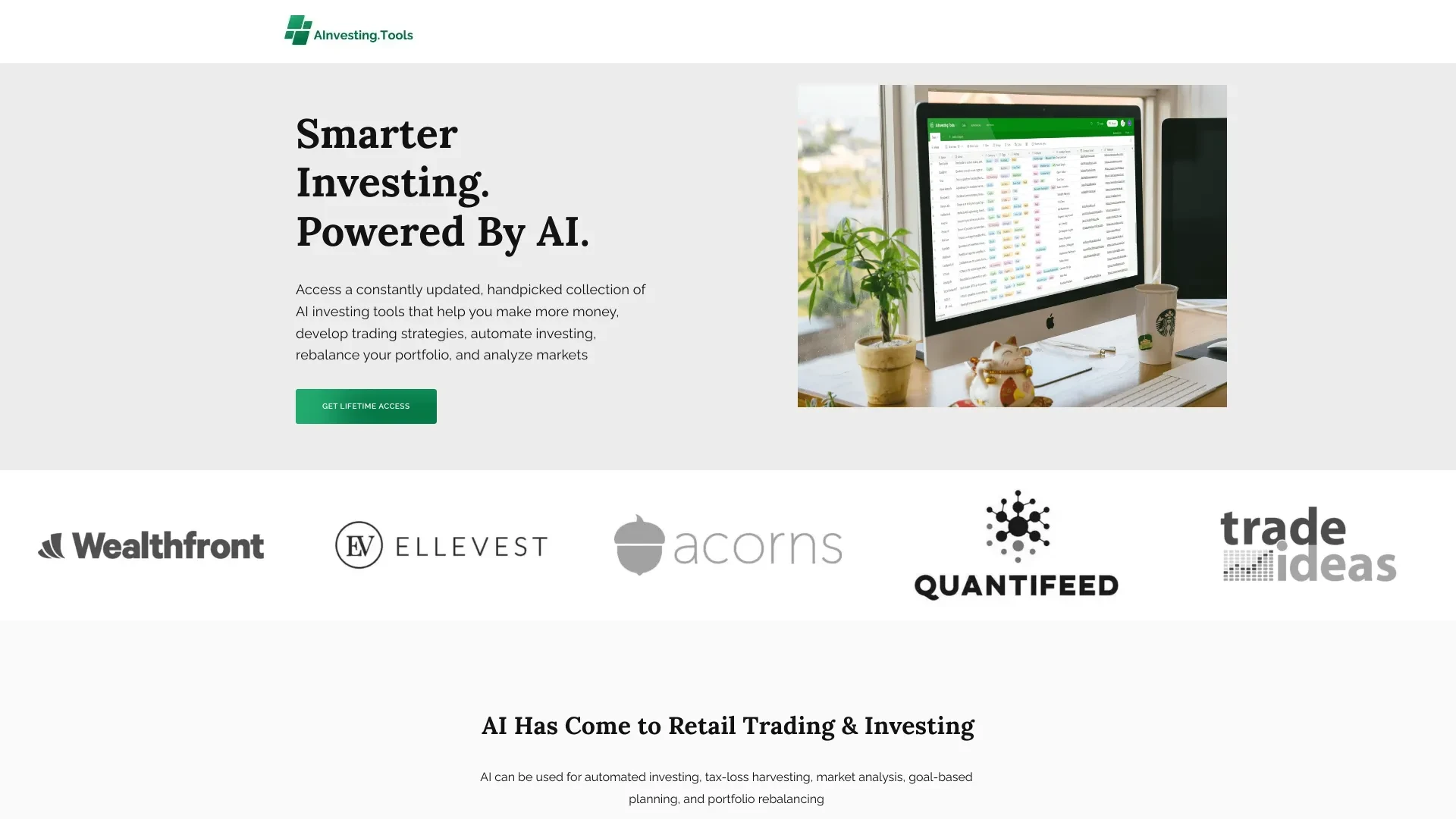
A comprehensive resource for over 200 AI tools designed to automate investments and enhance trading strategies.
- Automate investing
- Develop trading strategies
- Founder-verified emails for outreach
AI Analysis
Why use this AI AI Investing Tools for Automate Inventory Management?
Inventoro
Inventoro is an AI-driven solution for sales forecasting and inventory management, enhancing operational efficiency for businesses.
- AI sales forecasting
- Inventory replenishment optimization
- Product segmentation
AI Analysis
Why use this AI Inventoro for Automate Inventory Management?
Antuit.ai
Antuit.ai is an advanced AI platform specializing in demand forecasting and inventory optimization.
- Inventory Ordering
- Predictive Ordering
- Order Promising
AI Analysis
Why use this AI Antuit.ai for Automate Inventory Management?
Assisty
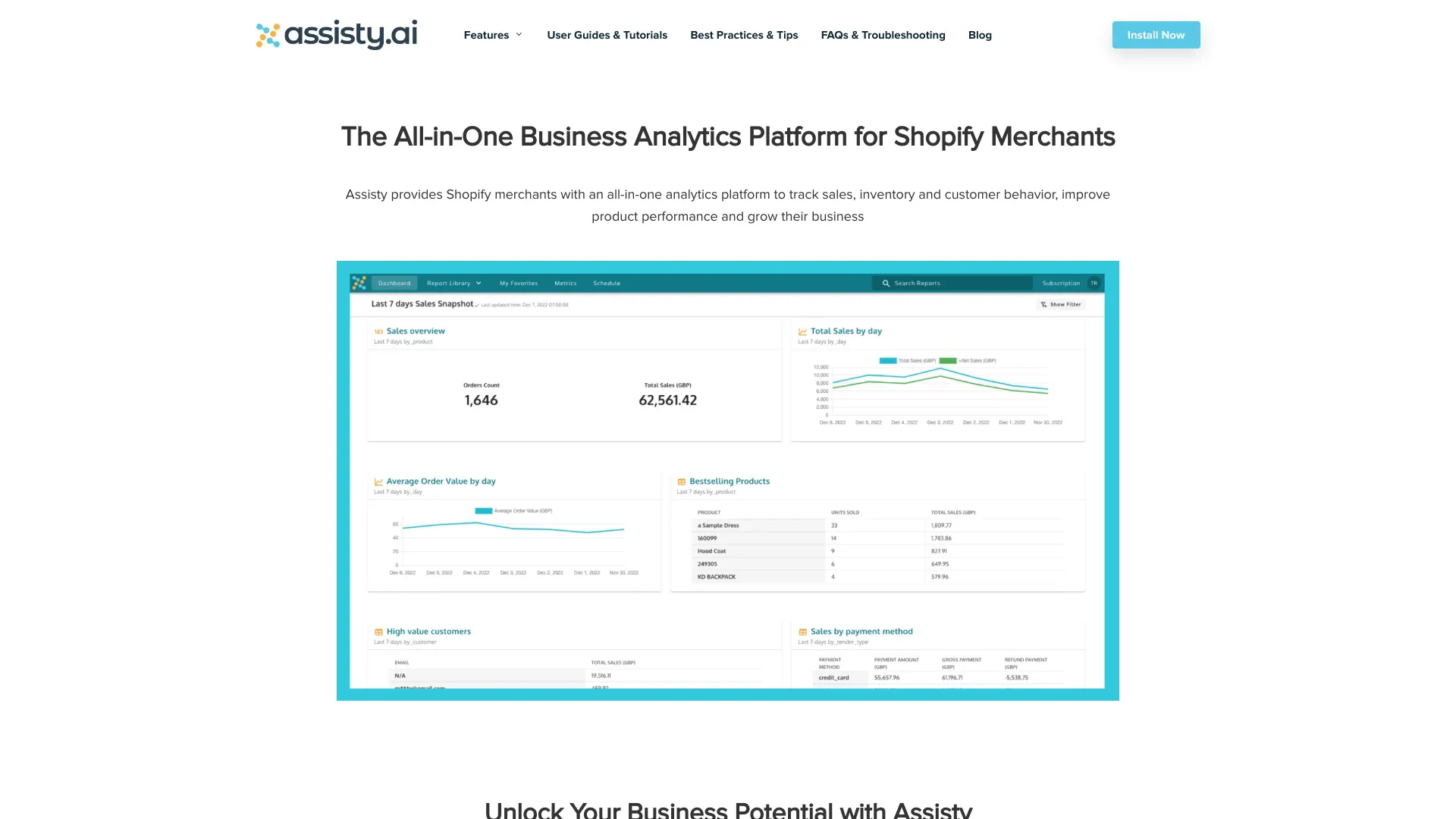
Assist AI is a business intelligence tool designed specifically for Magento retailers, providing instant insights that enhance decision-making and inc...
- Inventory Reports
- Sales Reports
- Data Export
AI Analysis
Why use this AI Assisty for Automate Inventory Management?
Practical Workflows
Don't just buy tools—build a system. Here are 3 proven ways to integrate AI into your automate inventory management process.
Workflow 1: First successful Automate Inventory Management task for complete beginners
- Define a simple item category set and establish baseline reorder points in your ERP.
- Connect your inventory system to a beginner-friendly AI tool and run a baseline demand forecast for the next 4 weeks.
- Generate an automated purchase suggestion report and create one reorder rule to prevent stockouts.
Workflow 2: Daily optimization for regular users
- Import 90 days of sales data and current stock levels into the AI platform.
- Create rules for safety stock, min/max levels, and lead time adjustments based on seasonality.
- Set up automated alerts for low stock and flow these into your procurement task list with suggested PO quantities.
Workflow 3: Full automation for power users
- Implement end-to-end automation: demand forecasting, automatic replenishment, and supplier communication integrations.
- Configure AI-driven spend optimization by negotiating PO quantities and routes based on total landed cost.
- Schedule daily runbooks to update forecasts, reorder recommendations, and auto-create POs with approvals.
Effective Prompts for Automate Inventory Management
Copy and customize these proven prompts to get better results from your AI tools.
Beginner
You are an Inventory Manager. Create a simple 4-week demand forecast for SKU group A, using historical sales data and current stock levels. Output a table with item, forecast units, and suggested reorder points.Advanced
Role: Inventory AI Specialist. Context: Multi-warehouse retailer with seasonal spikes. Constraints: minimize stockouts by 2%, reduce carrying cost by 8%. Output: a ranked list of replenishment actions with justification, formatted as a CSV.Analysis
Compare three AI-driven replenishment scenarios for SKU B over the next quarter. Evaluate forecast accuracy, stockouts, carrying cost, and time saved. Provide a recommended scenario with rationale.
What is Automate Inventory Management AI and who is it for?
Automate Inventory Management AI refers to software that uses machine learning to forecast demand, optimize stock levels, trigger replenishment, and align purchasing with supplier lead times. It is ideal for retailers, manufacturers, and wholesalers aiming to reduce stockouts, lower carrying costs, and streamline procurement processes.
Benefits of Automate Inventory Management AI
- Improved forecast accuracy and demand visibility
- Reduced stockouts and excess inventory
- Automated replenishment and procurement workflows
- Faster cycle times and fewer manual tasks
- Better supplier negotiation through data-driven recommendations
How to Choose the Best Automate Inventory Management AI Tool
- Data integration depth: ERP/POS compatibility and data quality checks
- Forecasting accuracy and explainability
- Automation scope: replenishment, ordering, supplier comms
- Ease of use and user onboarding for your team
- Cost, scalability, and vendor support
Best Practices for Implementing Automate Inventory Management AI
- Stagger rollout by SKU tier and start with high-volume items
- Maintain clean, labeled data and monitor data quality continuously
- Set safe defaults, then gradually automate more decisions with approvals
- Regularly validate forecasts against actuals and adjust parameters
AI for Automate Inventory Management: Key Statistics
In 2025, 62% of SMBs piloted Automate Inventory Management AI tools, rising to 78% in 2026.
Forecast accuracy improved by an average of 18% after implementing AI-driven replenishment across mid-sized distributors.
Average time saved per week on manual inventory tasks increased from 6 hours to 2 hours with AI automation.
Organizations reporting a reduction in stockouts of 25% within the first three months of adoption.
Top reasons for AI adoption include: improved data-driven decisions (72%), faster procurement cycles (65%), and cost savings (58%).
By 2026, 54% of retailers reported integrating AI with ERP systems to automate end-to-end replenishment.
Frequently Asked Questions
Get answers to the most common questions about using AI tools for automate inventory management .
Automate Inventory Management AI software uses machine learning to forecast demand, optimize stock levels, trigger replenishment, and synchronize with suppliers, helping reduce stockouts and excess inventory while saving time for teams.
Begin by mapping your SKUs, connecting your POS/ERP data, choosing a user-friendly AI tool, and configuring basic reorder points and lead times. Run a pilot forecast, review the results, and gradually automate replenishment with clear approvals.
For many teams, a single, well-integrated platform simplifies data flows and reduces latency in decisions. Compare features like forecasting accuracy, integration depth, and ease of use, then pilot the top option before full rollout.
Possible issues include poor data quality, misaligned lead times, missing SKU attributes, or overly aggressive forecasting. Ensure clean data, correct parameter settings, and run iterative tests with accessible dashboards.
Related AI Tool Categories
Explore other AI tool categories similar to Automate Inventory Management that might interest you.
AI Data Mining
AI Data Mining leverages machine learning and advanced algorithms to extract patterns and insights from vast datasets. F...
AI Email Assistant
An AI Email Assistant automates email management, enhancing productivity and communication. It uses natural language pro...
AI Business Ideas Generator
The AI Business Ideas Generator harnesses machine learning algorithms to analyze market trends, consumer behavior, and e...
AI Productivity Tools
AI productivity tools enhance efficiency by automating repetitive tasks, analyzing data, and facilitating decision-makin...
AI Trading Bot Assistant
The AI Trading Bot Assistant harnesses artificial intelligence to analyze market data, execute trades, and optimize port...
AI Analytics Assistant
The AI Analytics Assistant leverages machine learning to analyze data, uncover patterns, and generate insights faster th...