Recommended AI Tools
5We've analyzed the market. These tools offer specific features for design gantt charts.
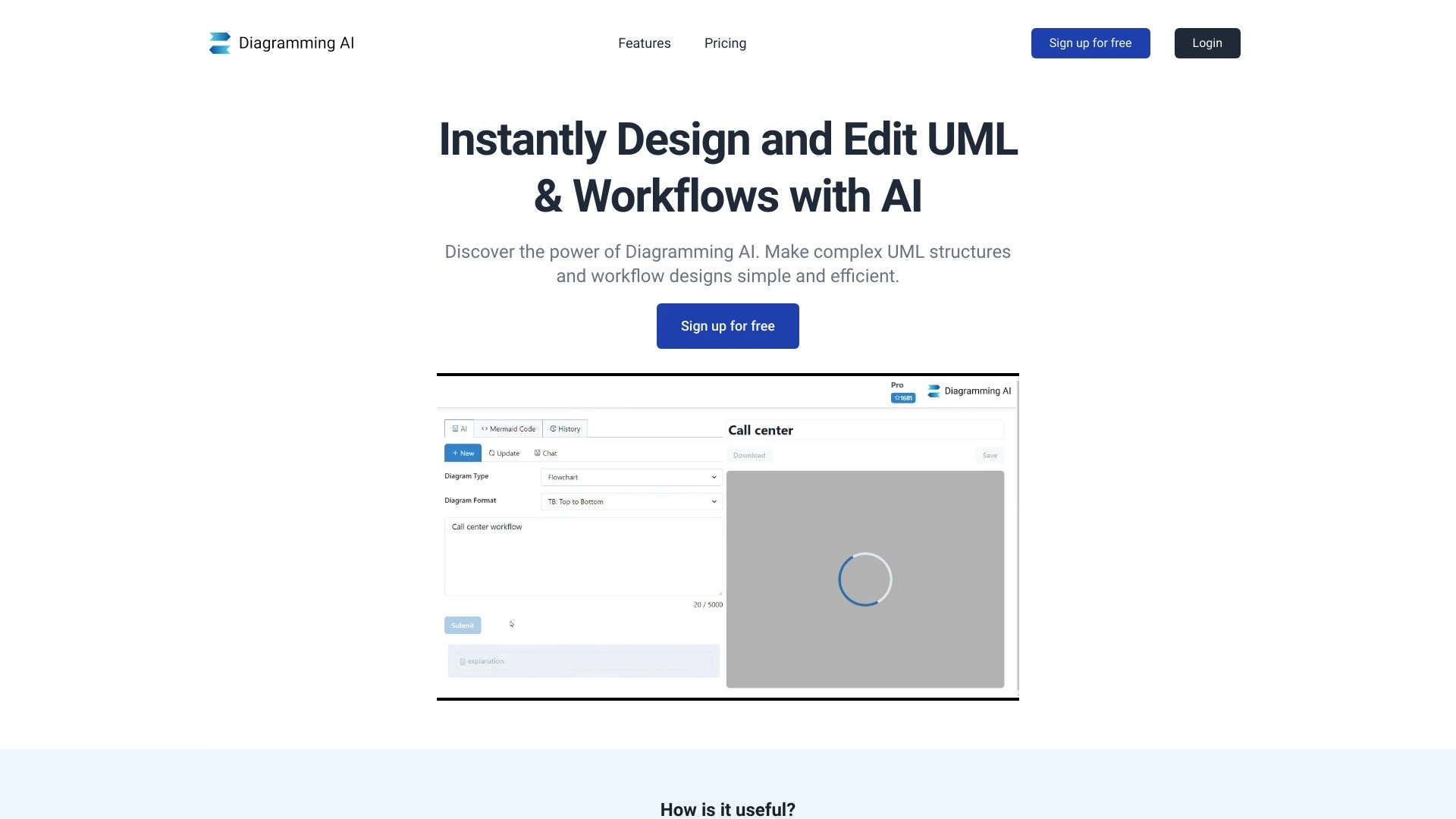
Diagramming AI
Diagramming AI streamlines UML and workflow design using advanced AI technology to enhance diagram creation and management.
- AI-Powered Automated Diagram Creation
- AI Chat for Suggestions
- Project-Based Mermaid Code Storage
AI Analysis
Why use this AI Diagramming AI for Design Gantt Charts?
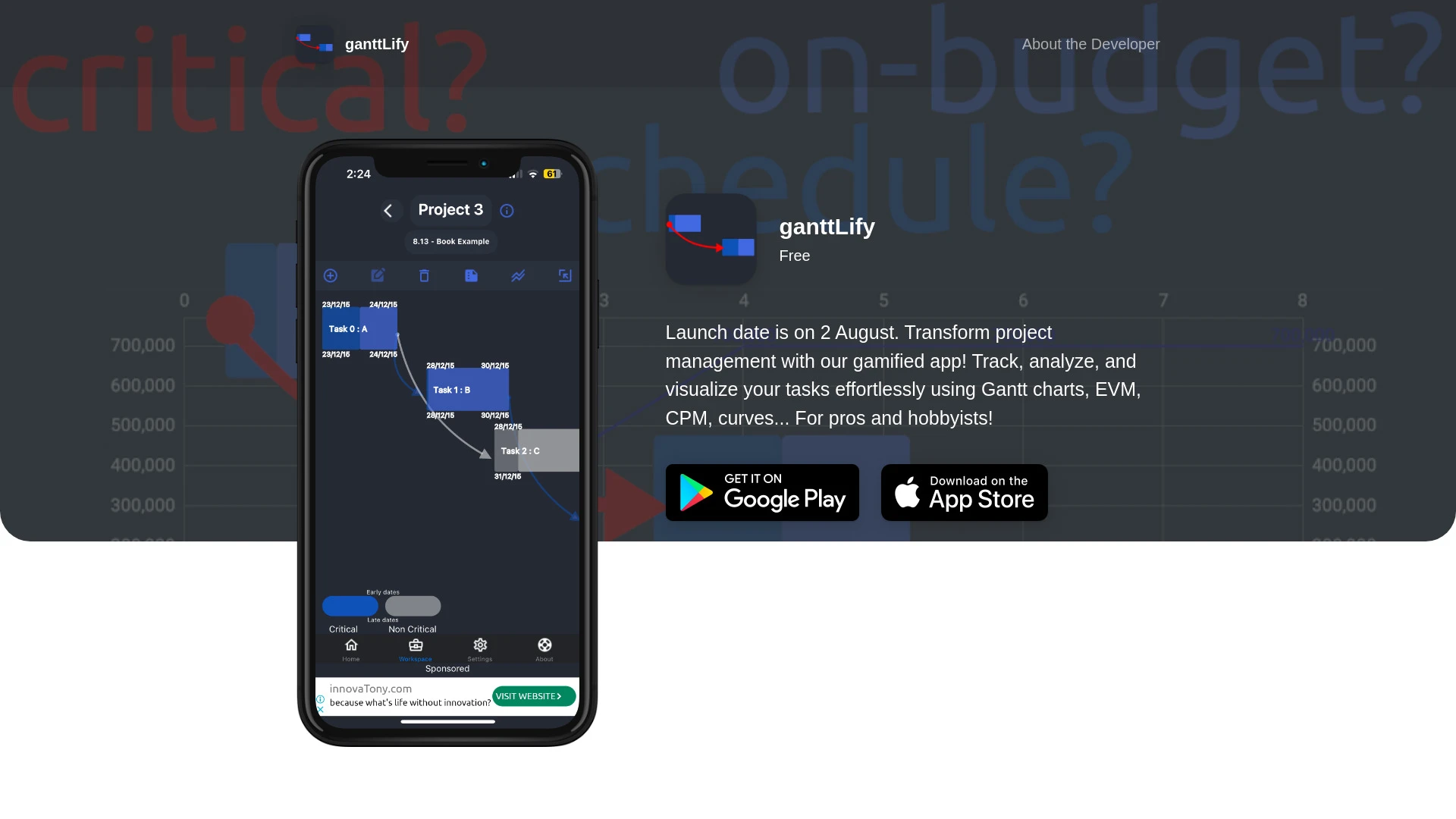
ganttLify
ganttLify is a gamified project management tool that enhances tracking and visualization through advanced features like Gantt charts and EVM.
- Advanced project tracking tools
- Gamified approach to project management
- Upcoming AI integration for enhanced efficiency
AI Analysis
Why use this AI ganttLify for Design Gantt Charts?
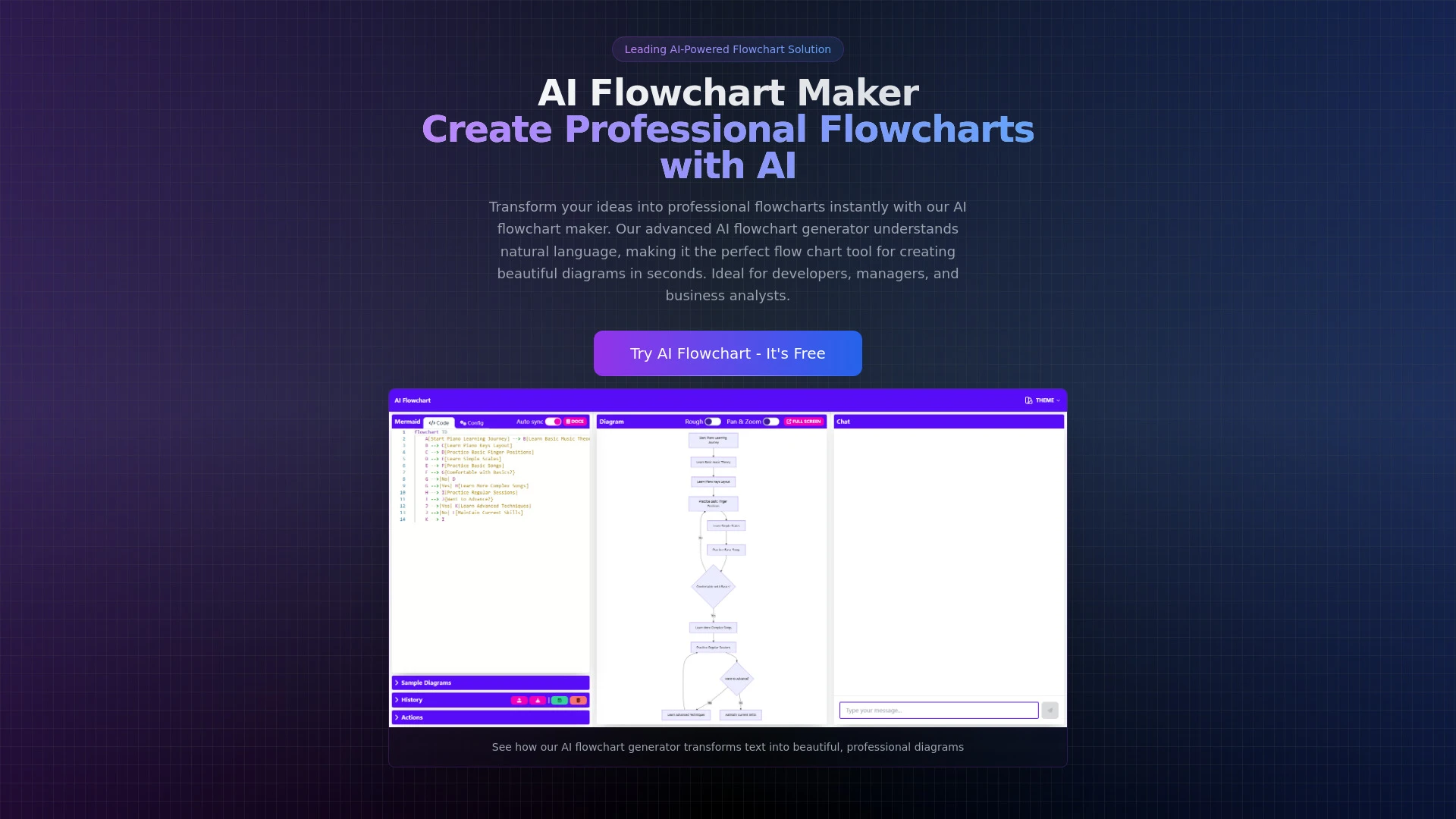
AI Flowchart Maker is an online tool that creates flowcharts from text descriptions using AI technology.
- Natural language processing for generating flowcharts
- Customizable design options
- Real-time collaboration capabilities
AI Analysis
Why use this AI AI Flowchart Maker for Design Gantt Charts?
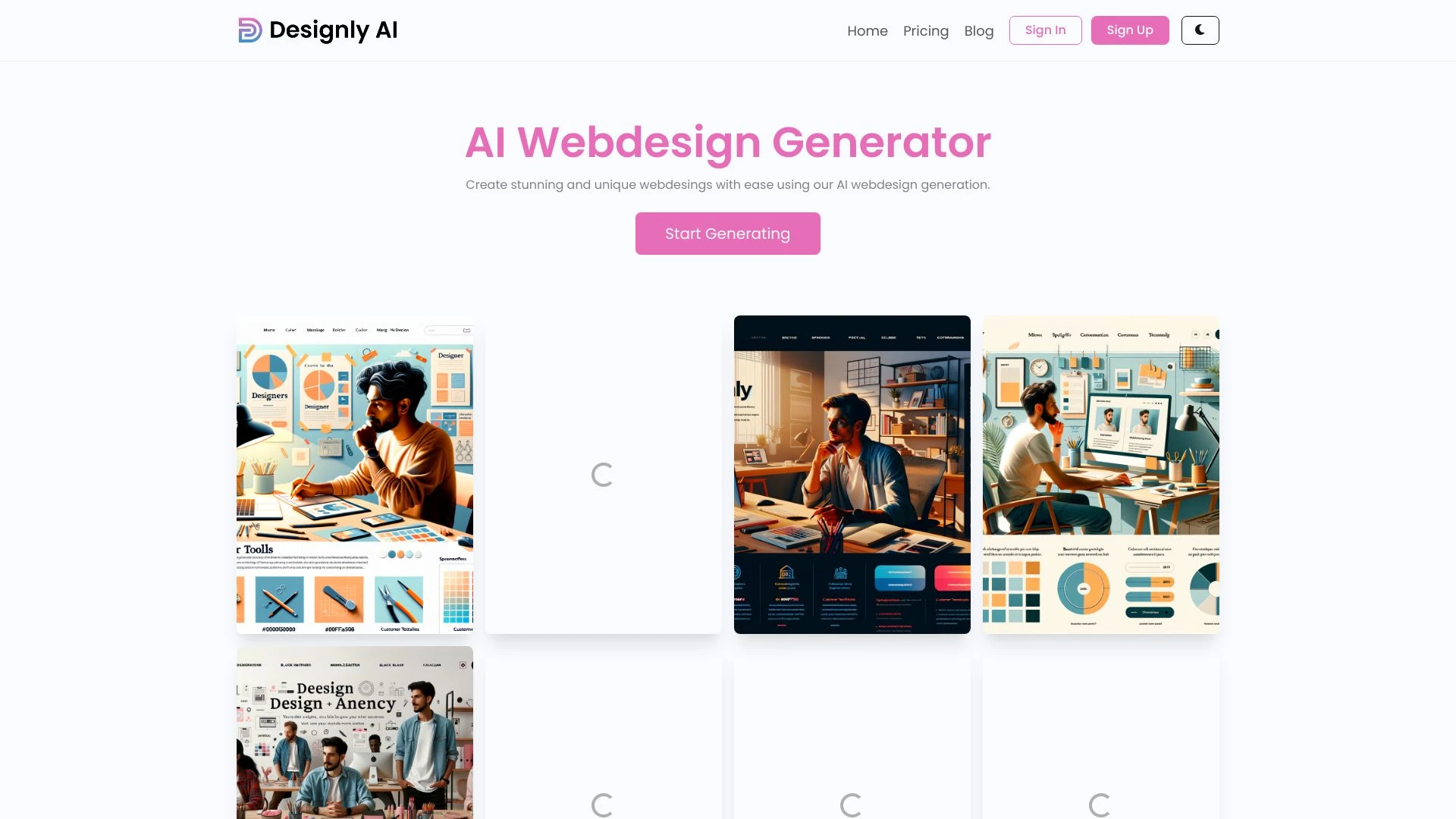
Designly AI
Designly AI is an intelligent web design idea generator that streamlines the creation of unique website designs.
- AI-driven website design creation
- Customizable design templates
- Effortless generation of unique concepts
AI Analysis
Why use this AI Designly AI for Design Gantt Charts?
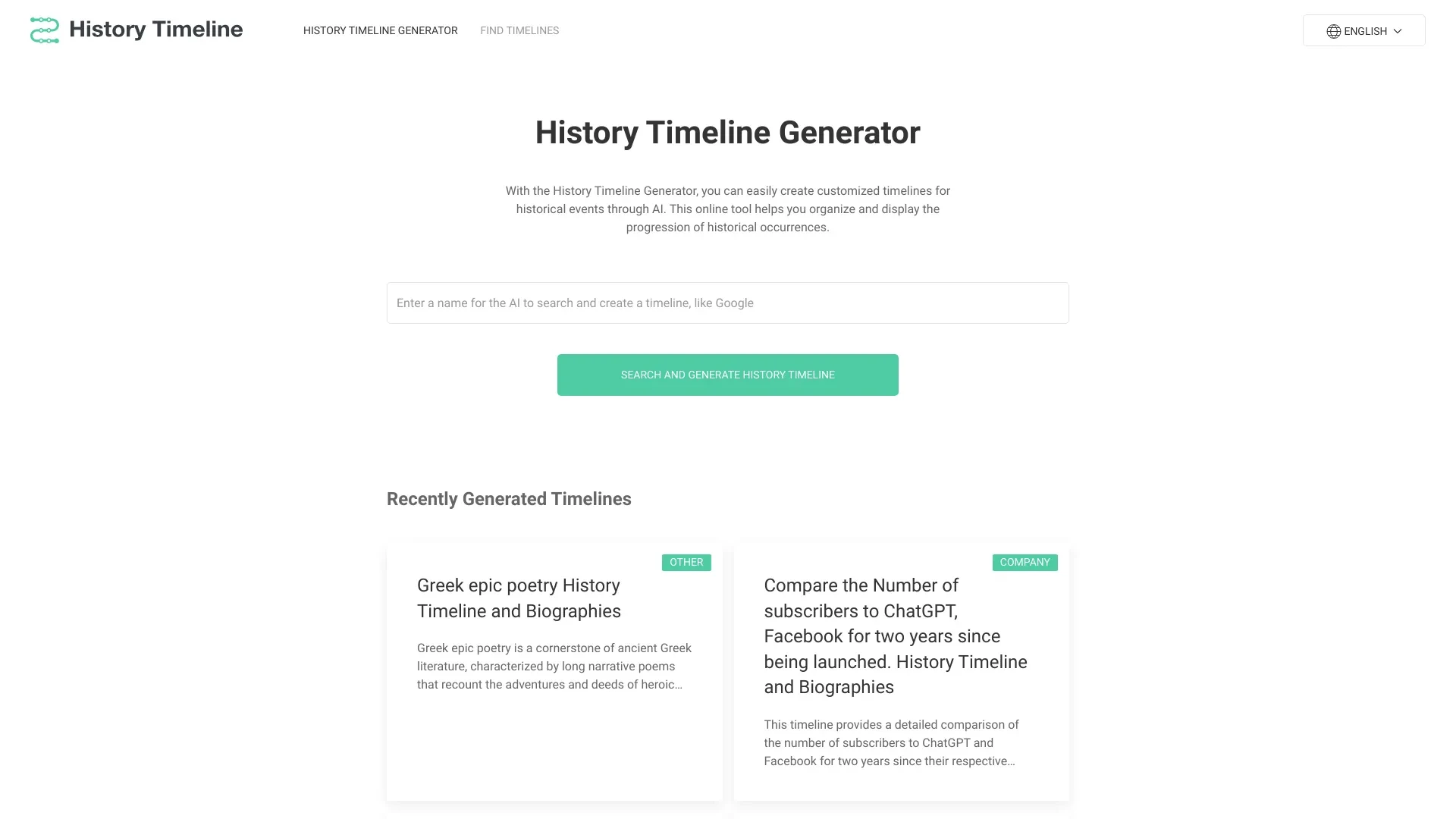
A tool designed to create personalized historical timelines using AI technology.
- AI-driven timeline creation
- personalized event details
- user-friendly interface
AI Analysis
Why use this AI History Timeline Generator for Design Gantt Charts?
Practical Workflows
Don't just buy tools—build a system. Here are 3 proven ways to integrate AI into your design gantt charts process.
Workflow 1: Create a first Design Gantt Chart with accurate task dependencies
- Import project tasks with estimated durations into the AI tool and map successors and predecessors for a Design Gantt Chart.
- Define milestones and design-specific phases (concept, mockups, revisions) to auto-generate a logical sequence.
- Review auto-generated timelines, adjust resource allocations for design teammates, and export a shareable Gantt view.
Workflow 2: Streamline daily Design Gantt Charts management
- Set up recurring design sprints and auto-adjust task start dates based on status updates from the design team.
- Enable AI reminders for overdue design tasks and auto-resolve conflicts between parallel design streams ( UX, UI, assets ).
- Dashboards auto-refresh with current progress, burn-downs, and variance alerts to keep stakeholders aligned.
Workflow 3: Automate end-to-end Design Gantt Chart optimization
- Ingest historical design project data to train AI on common bottlenecks and duration patterns.
- Run scenario analysis: compare multiple design timeline options and select the most time-efficient path.
- Generate a reusable, templated Design Gantt Chart blueprint for future projects with tuned defaults.
Effective Prompts for Design Gantt Charts
Copy and customize these proven prompts to get better results from your AI tools.
Beginner: Simple task, clear output
You are an AI assistant helping with Design Gantt Charts. Create a 1-week Gantt chart for a logo redesign project with these tasks: concept sketch, color exploration, typography options, final design, and stakeholder review. Include durations, dependencies (concept before sketches, sketches before final), and a simple visual timeline.Advanced: Role + context + constraints + format
Role: Design project manager. Context: We need a 3-phase Design Gantt Chart for a mobile app redesign, with phases: Discovery, Design, Handoff. Constraints: 8 designers, 2 weeks per phase, weekends off. Output: a structured JSON Gantt plan with tasks, owners, durations, dependencies, and a summary readout.Analysis: Evaluate/compare/optimize outputs
You are an optimization AI for Design Gantt Charts. Given two alternative Gantt outputs for a branding package (Option A and Option B), compare total durations, identify bottlenecks, and recommend one optimization to reduce overall time by 15% while preserving design quality. Provide a clear justification.
What is Design Gantt Charts AI
Design Gantt Charts AI combines scheduling intelligence with design workflows to automatically generate and optimize Gantt charts tailored for design projects. It helps teams map concepts, wireframes, visual designs, and asset delivery, while automatically adjusting timelines as work progresses. This approach is ideal for design teams seeking faster planning, clearer dependencies, and scalable visualization—especially for teams new to structured design timelines.
Benefits of AI for Design Gantt Charts
- Faster project setup with design-specific milestones and dependencies.
- Dynamic timeline updates as design tasks move between stages (concept, draft, review, finalize).
- Automated resource balancing for designers, illustrators, and frontend developers.
- Scenario analysis to compare design timeline options and select the most efficient path.
- Improved stakeholder visibility through intuitive visual Gantt charts.
How to Choose the Right Design Gantt Charts AI Tool
- Design-centric templates: look for templates that reflect design workflows (concept, wireframes, UI, assets).
- Dependency modeling: ensure the tool handles design-specific task links (reviews, approvals, asset handoffs).
- Automation depth: prefer tools offering auto-rescheduling, alerts, and scenario planning.
- Integration: verify compatibility with your design and PM tools (Figma, Jira, Asana).
- Ease of use: prioritise a clear UI with visual drag-and-drop Gantt views for quick adoption.
Best Practices for Implementing Design Gantt Charts AI
- Start with a lean template: define core design phases and critical milestones first.
- Keep dependencies reflective of design handoffs (design review, QA, asset delivery).
- Set up automatic status updates from design tools to keep timelines accurate.
- Regularly review AI-suggested optimizations and validate them with the design team.
- Train team members on reading AI-driven Gantt charts to improve adoption.
AI for Design Gantt Charts: Key Statistics
87% of design teams using AI-assisted Gantt charts report faster project setup.
Average time reduction for initial Design Gantt Chart creation: 34% over manual methods.
98% of AI-enabled Design Gantt Charts auto-adjust when design statuses update.
Top Design Gantt Charts AI tools show 2–3x faster scenario analysis for design sprints.
40% of teams leverage AI to forecast design resource needs across multiple projects.
In 2026, 62% of mid-to-large design teams adopted AI for Design Gantt Charts advancement.
Frequently Asked Questions
Get answers to the most common questions about using AI tools for design gantt charts .
Design Gantt Charts AI refers to AI-assisted tools that create and optimize Gantt charts specifically for design projects. They automate task sequencing, dependencies, and resource allocation to reflect design workflows such as concept, wireframes, mockups, reviews, and asset handoffs, helping teams plan visually and iteratively.
Begin by listing design tasks, durations, and dependencies, then choose an AI tool tailored for Design Gantt Charts. Import data, configure design milestones, and enable automation for updates, reminders, and scenario planning. Review outputs and iterate until the chart reflects realistic timelines.
Both have value: standalone AI tools excel at design-specific scheduling and visualization, while integrations with PM suites offer seamless data flow and broader project context. For Design Gantt Charts, prioritize tools with design workflow templates, asset-tracking, and visualization clarity.
Possible reasons include misconfigured dependencies, delayed status updates, or automation rules not triggering. Check task relationships in the dependency graph, ensure status fields are linked to tasks, and verify AI automation rules for updates and alerts.
Related AI Tool Categories
Explore other AI tool categories similar to Design Gantt Charts that might interest you.
AI Productivity Tools
AI productivity tools enhance efficiency by automating repetitive tasks, analyzing data, and facilitating decision-makin...
AI Art Generator
AI Art Generators utilize deep learning algorithms to create visuals based on user input or existing art styles. Tools l...
AI Landscape Generator
The AI Landscape Generator utilizes algorithms to create complex, realistic environments for various applications, such...
AI Project Management
AI Project Management leverages AI tools to enhance efficiency and decision-making in managing projects. AI can analyze...
AI Diagram Generator
The AI Diagram Generator leverages algorithms to create visual representations from textual data or complex concepts. By...
AI Graphic Design
AI graphic design leverages algorithms to assist in creating visuals, automating tasks like layout generation and color...