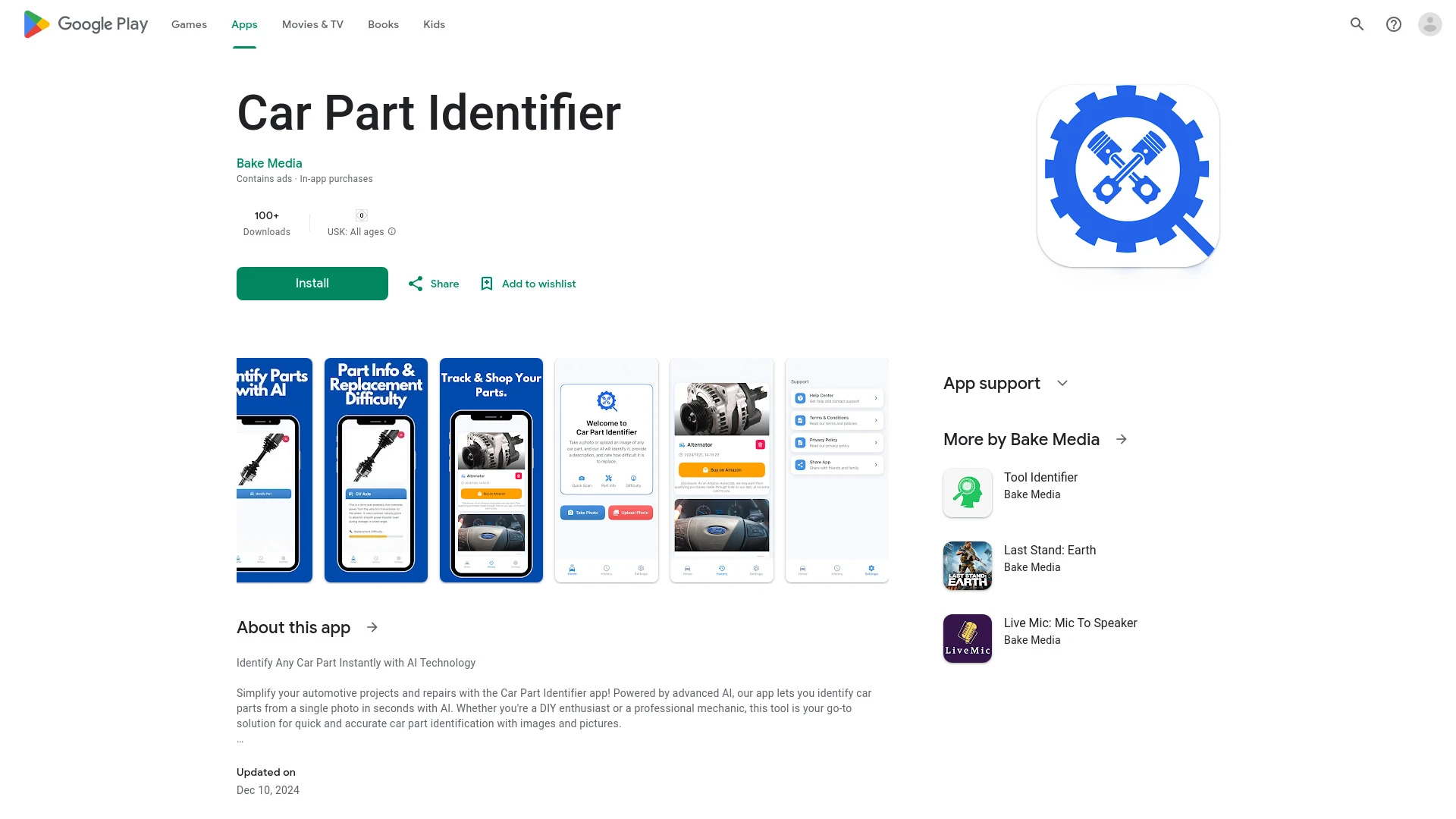
Tool A, Car Part Identifier, excels at instant car part identification from photos and quick shopping, serving DIY enthusiasts and professionals who value fast sourcing. Tool B, Carvis, is a car owner assistant for troubleshooting, maintenance guidance, and tailored product recommendations. Both run on the web, but address distinct primary use cases.
Quickly identify car parts for repairs
Shop for automotive parts online
Assist mechanics in professional settings
Aid in DIY automotive projects
Quick identification saves time
Access to comprehensive part details
Convenient online shopping
Instant part identification from images
Detailed part information
Online shopping options
User-friendly interface
Accessible via mobile and web
Get quick solutions for car problems
Learn essential car maintenance tips
Discover recommended auto products
Access expert resources for common car issues
Provides expert guidance for car issues
Simplifies car maintenance learning
Offers tailored product recommendations
Expert troubleshooting tools
Easy-to-follow tutorials
Tailored product recommendations
YouTube video suggestions
Comprehensive car maintenance tips
Car Part Identifier shines for fast on-demand part identification and hassle-free shopping, making it the top choice for quick repairs and sourcing. Carvis is the better fit for ongoing car ownership education and problem-solving where guidance and training matter most. If your needs span both quick sourcing and ongoing maintenance, use both tools in a complementary workflow to maximize efficiency and knowledge.
Tool A is free to access with per_action consumption billing, meaning usage scales with identifications and shopping actions. Tool B uses a freemium model with a monthly subscription, offering ongoing access to expert guidance and tutorials. In practice, this setup makes Tool A a low-friction entry point for quick tasks, while Tool B supports long-term maintenance learning and problem-solving.
Explicit speed or reliability metrics aren’t published. Both rely on AI backends for image analysis and guidance, with Tool A prioritizing rapid part identification and shopping flow, and Tool B emphasizing helpfulness of tutorials and troubleshooting workflows. Architecturally, both benefit from scalable cloud-backed services to handle image processing and content delivery.
Tool A offers a mobile-friendly and web interface focused on visual search, quick results, and integrated shopping, with a straightforward onboarding for both DIYers and pros. Tool B emphasizes easy-to-follow tutorials and guided troubleshooting, augmented by tailored product recommendations and YouTube suggestions. Both emphasize user-centric design, but Tool A centers on rapid part sourcing while Tool B centers on learning and problem resolution.
Tool A integrates with trusted retailers to streamline purchasing, and supports web and mobile access for shopping workflows. Tool B integrates with YouTube for video guidance and supports a broad web-based ecosystem for tutorials and product recommendations.
Tool A's accuracy depends on image quality and part database coverage, and there may be variability in matching accuracy for obscure parts. Tool B's effectiveness hinges on the quality and relevance of tutorials and content, and outcomes depend on user interpretation of guidance.